

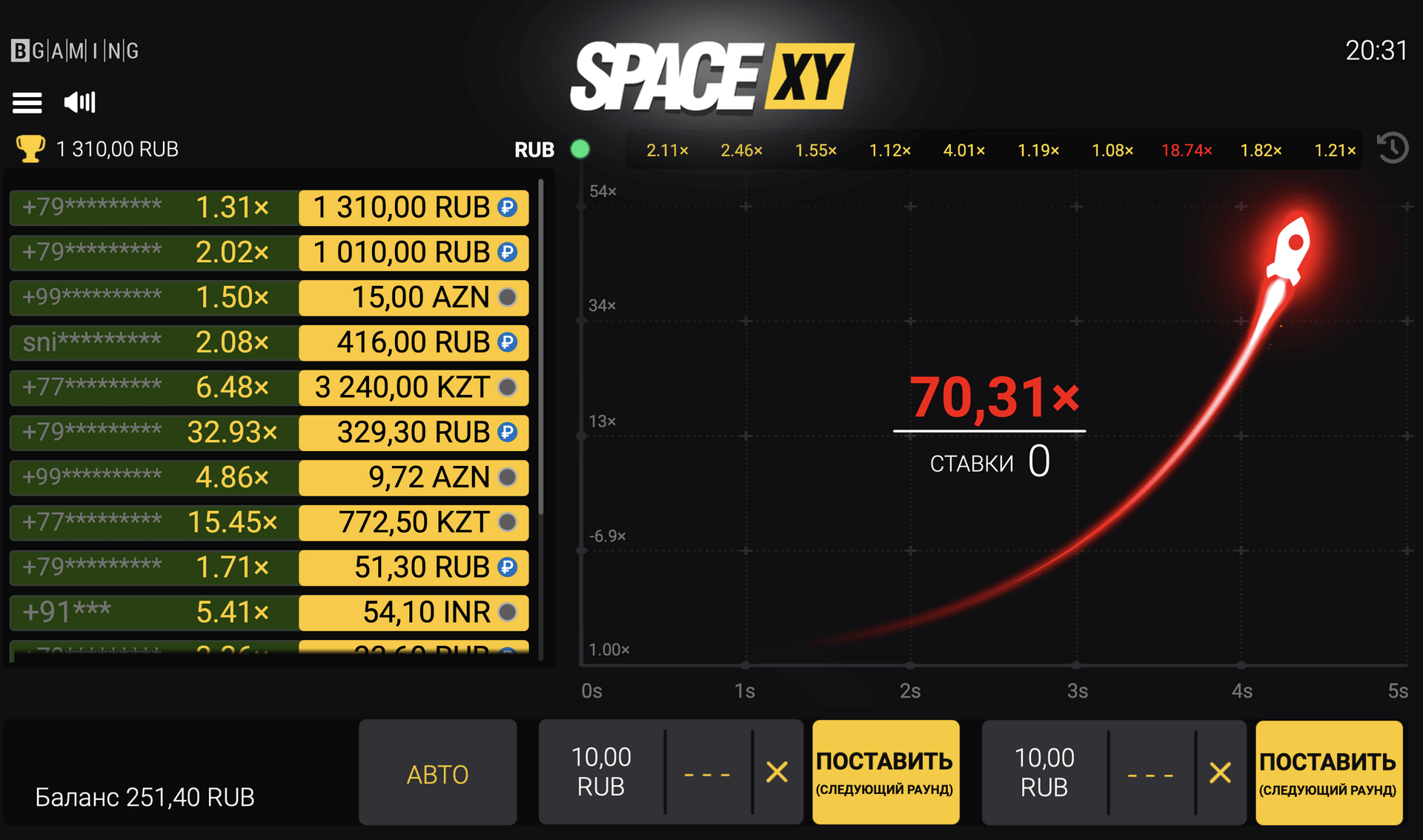
I assess a lot of simulation games, and strategy titles are a mainstay. Space XY Game’s ‘Doctor Appointment Queue’ takes that concept and gives it a uniquely British flavour. Your role is to run a hectic GP surgery that feels a lot like an NHS clinic. It combines the chaos of patient care with the tough choices of resource management. View it less as a game and more as an administrative stress test.

Contrasting to Different Management Sims
The management genre is crowded, but Doctor Appointment Queue carves out its own space by being particular. Where a game like ‘Two Point Hospital’ enables you to build a whole wacky campus, this one focuses on the micro-management of a single service queue within a British framework. This tight focus enables a deeper simulation of that particular experience.
It doesn’t have the silly humour of some competitors. The tone is more grounded and understanding. The challenge comes from systemic pressure, not from curing comical diseases. If you desire a management game that feels accessible, strategic, and thoughtful, Space XY Game has made something special.
Review of Visuals and User Interface
The art style employs bright, cartoonish hues. This helps to lighten a subject that could normally feel quite heavy. The characters are vivid, displaying their discomfort without being grim. For the most part, the interface is straightforward, with clear icons and a central panel indicating your queue status and vital numbers.
My one complaint is about disorganization in the later stages of the game. When your practice develops, keeping track of everything gets harder. A zoom-out function or more customisable interface would help. Still, the important information—patient mood, queue length, your budget—is always front and centre.
Frequently Asked Questions
Is the Doctor Appointment Queue modeled after the NHS?
This game is not officially endorsed, but the influence is clear. It evokes the atmosphere of a state-run GP surgery, from queue control and triage to constrained budgets. For a British audience, it will appear very recognizable.
What platforms is the game playable on?
At present, Space XY Game’s Doctor Appointment Queue is on PC through stores like Steam. The team haven’t disclosed any schedule for console or mobile versions yet, but they’ve mentioned they’re monitoring player demand for future future ports.
How hard is the game to learn?
A detailed tutorial walks you through the basics. The first few levels are easy, but the difficulty increases fast. To master the game, you need to plan ahead and make rapid decisions. It’s rewarding for both novices and enthusiasts who understand the genre well.
Are there multiplayer or co-op features?
It does not have. Doctor Appointment Queue is a single-player game. The focus is on challenging your management abilities against the game’s own systems. The global leaderboards offer a competitive angle by enabling you match scores.
Does the game have microtransactions in the game?
The game follows a one-time purchase model. There are no pay-for-advantage microtransactions. You unlock every improvement and unlock by playing the game and managing your surgery’s budget wisely. This maintains the strategic gameplay fair.
How does it stack up to Two Point Hospital?
It’s more focused and authentic. Two Point Hospital is broad and funny. Doctor Appointment Queue goes more in-depth into the queue control and triage of a typical, British-style GP practice. The difficulty is more about intense system control than curing humorous illnesses.
Doctor Appointment Queue by Space XY Game is a standout management game. It combines strategic complexity with a UK healthcare context players can connect with. The difficulty is demanding and the rewards are genuine. British players will find an extra layer from it, but any fan of the genre will encounter a well-made trial of their skills.
Grasping the Core Gameplay Loop
Doctor Appointment Queue revolves around triage and the clock. Patients stream into your waiting room with every type of issue, from a simple cold to a potential heart attack. You register them, choose who needs help first, allocate your doctors, and maintain the treatment rooms moving. This loop seems straightforward until the waiting room fills up and your resources become scarce. That’s when the real intricacy kicks in.
The hook is the UK healthcare setting. You aren’t just running any clinic. You’re handling a system that echoes real strains anyone in Britain will acknowledge. This makes the challenge engaging, and sometimes a bit too close to home, in a way a generic theme never could.
The Intake and Triage Challenge
Everything commences at the front desk. You register each patient in, record their details, and make a quick judgment about how pressing their case is. Get that judgment wrong—mark a serious case as low priority—and you might observe their condition worsen right there in a plastic chair. This stage requires a good eye and fast decisions. It sets up your entire clinical session.
Resource Management Under Pressure
You only have so many GPs, nurses, and examination rooms. Using them well is the difference between a smooth operation and total collapse. Do you disrupt a doctor doing a routine physical to deal with a patient having chest pains? The game makes you address these questions, reflecting the real dilemmas practice managers face every day.
Why It Resonates with a UK Audience
The backdrop is the game’s smartest move. For gamers in the UK, the situations feel like they’re drawn from news reports and personal memory. Managing a public healthcare system under constant stress creates an instant, gut-level connection. You are not learning some abstract game system. You’re dealing with a stylised version of a national institution.
This familiarity makes the game simpler to start, but it also heightens the pressure. When a line of elderly patients with multiple conditions builds up, British players get it immediately. The game no longer is just a distraction and becomes a kind of social simulation.
Conclusive Verdict and Recommendations
Doctor Appointment Queue is a solid, absorbing management sim. Its realistic theme and clever, escalating gameplay make it a hit. Genre fans should check it out, particularly players in the UK who will understand all the little details. The learning curve is fair, and the strategic payoff is big.
I’d recommend it for players who like strategy games where you operate under pressure. It isn’t for people seeking for action or constant laughs. To do well, you have to handle the chaos of the queue. Three tips for anyone getting started.
- Handle the triage right. A wrong call on urgency will snowball into disaster.
- Develop your staff early. One fast, efficient doctor surpasses two slow ones.
- Save some money for surprises. Equipment breaks down. Epidemics happen. You’ll need a financial buffer.
Prolonged Playability and Replay Value
Doctor Appointment Queue has staying power. The campaign mode gives you a guided path with a story about running a UK GP practice. After that, space xy game iphone, the endless mode is where you demonstrate your skill. A few things make you want to play again and again.
- Unlockable Content: You can unlock new staff roles, high-end medical gear, and visual upgrades for your surgery. These give you constant targets to aim for.
- Leaderboard Challenges: Weekly global challenges enable you compete for the best patient satisfaction score or the shortest average wait times.
- Dynamic Events: Random events hit your surgery. A VIP inspection one day, an infectious disease outbreak the next. These mean no two sessions play out the same way.
The urge to fine-tune your practice, beat your own record, or climb the leaderboards creates that classic “one more try” feeling all good management games have.
Main Features and Tactical Depth
Space XY Game has loaded this title with features that elevate it beyond being a simple queue manager. The strategy unfolds over time, benefiting players who plan ahead and punishing those who just react. This depth is what will keep dedicated players returning.
- Progressive Difficulty: Every new level introduces more complex patient types, new equipment, and fresh crises. The challenge constantly changes.
- Staff Management: You hire and train staff with different expertise. You also need to track their fatigue levels and respond to their concerns to keep them from quitting.
- Facility Upgrades: Invest your limited budget on new tech, a bigger waiting area, or better diagnostic machines. Each choice impacts your surgery’s efficiency.
- UK-Specific Scenarios: You’ll deal with seasonal flu epidemics, the added strain of a winter crisis, and all the administrative work a national health service creates.

